
%201.webp)

How AI-Native Marketing Works - The Factors That Transform Pipeline and Productivity
Most marketing organizations today are “AI-assisted” at best, sprinkling ChatGPT, Jasper, or Midjourney on top of legacy marketing automation that were designed in a pre-LLMs world. That’s table stakes.
The real leap is becoming AI-native: rearchitecting marketing operations so that intelligent agents drive core go-to-market motion, while humans shift from producers to editors, strategists, and governors. This isn’t theoretical. At Inflection.io, we lived it.
The Shift Toward AI-Native Marketing
Marketing as a function is undergoing a foundational reset.The arrival of large language models (LLMs) and generative AI broke the constraints of human bandwidth. AI enhancements layered on top of old systems only gives bare minimum incremental efficiency gains.
The real transformation comes from re-architecting marketing automation around AI from the ground up — designing processes where AI agents don’t just assist but initiate, orchestrate, and optimize. This evolution turns AI from a productivity booster into a structural force multiplier.
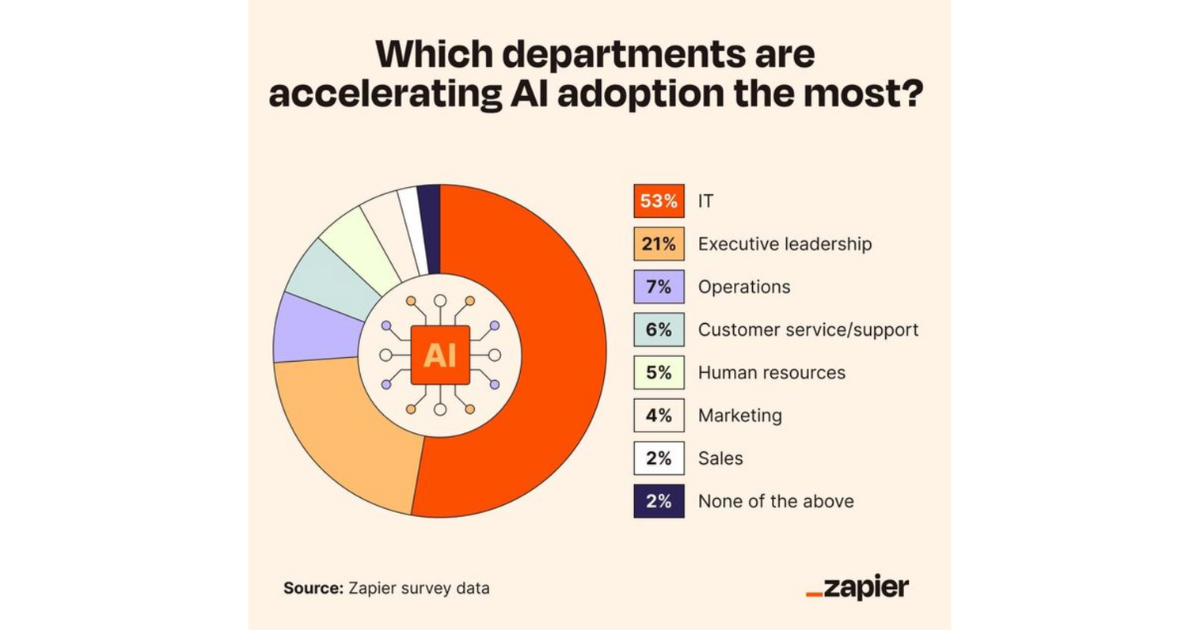
The timing matters because the pressure has never been higher. Marketing is one of the last teams to adopt AI and high expectations of using AI for more pipeline with flat budgets are bestowed upon marketing leaders. AI-native systems are the only scalable way to close the gap between what marketing is resourced for and what it is accountable for.
How Did We Become An AI-Native Marketing Org?
The shift wasn’t cosmetic. Becoming AI-native means shifting repetitive execution to intelligent agents so your team can focus on higher-leverage work like direction, creativity, and strategy. The results speak for themselves.
In the last few months, we
- 2× pipeline with the same marketing team and spend
- ⅓ the supporting staff per AE (we eliminated BDRs and most SE motion) while raising quotas
These aren’t efficiency hacks, they’re the direct result of redesigning the operating model around autonomous agents instead of human linear workflows.
We started with applying AI to our marketing and sales workflows with the most volume and friction. Rebuilding these motions around intelligent agents unlocked far greater speed, personalization, and leverage.
1. Outbound That Writes Itself
Agents autonomously research accounts, identify buying centers, and draft hyper-personalized sequences. Humans set strategy, tone, and guardrails, then review and ship.
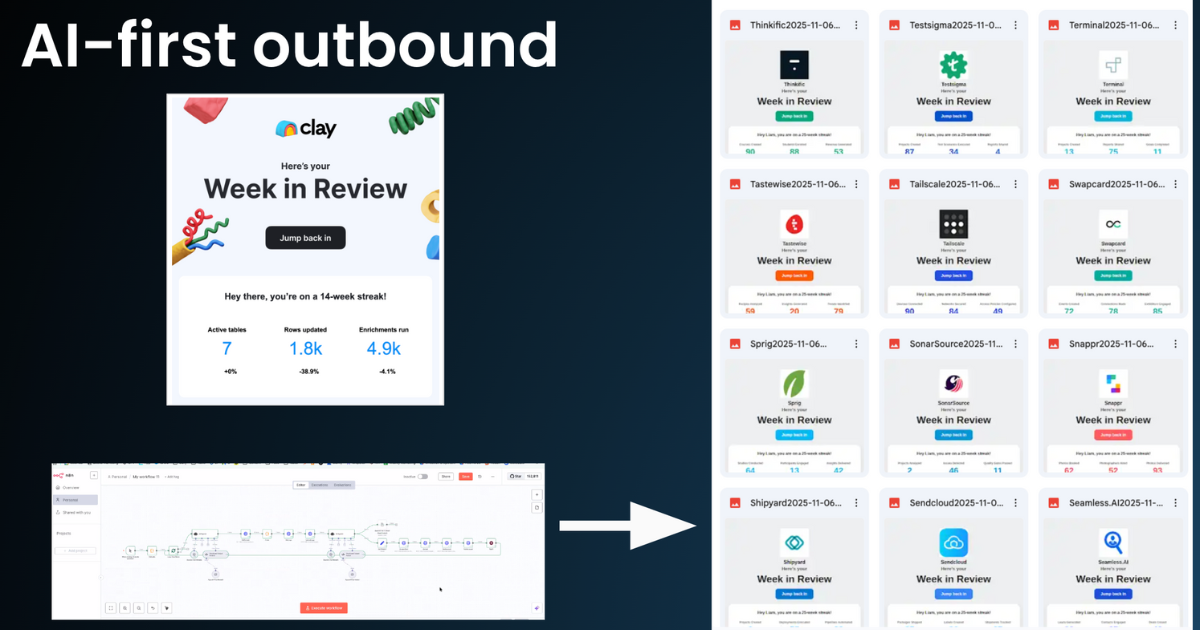
We made these highly popular week-in-review style emails at scale for outbound. We used an n8n workflow to do this with minimal human supervision. The list of target companies are fed into the workflow where ChatGPT goes and researches about each company’s product, possible milestones, and even branding.
In the next step, Clearbit gets the logo and feeds all this to n8n to generate an email. A headless browser takes a screenshot and sends it to Apollo.
What used to take a team of SDRs now happens continuously with a tiny oversight layer.
2. Demos That Build Themselves
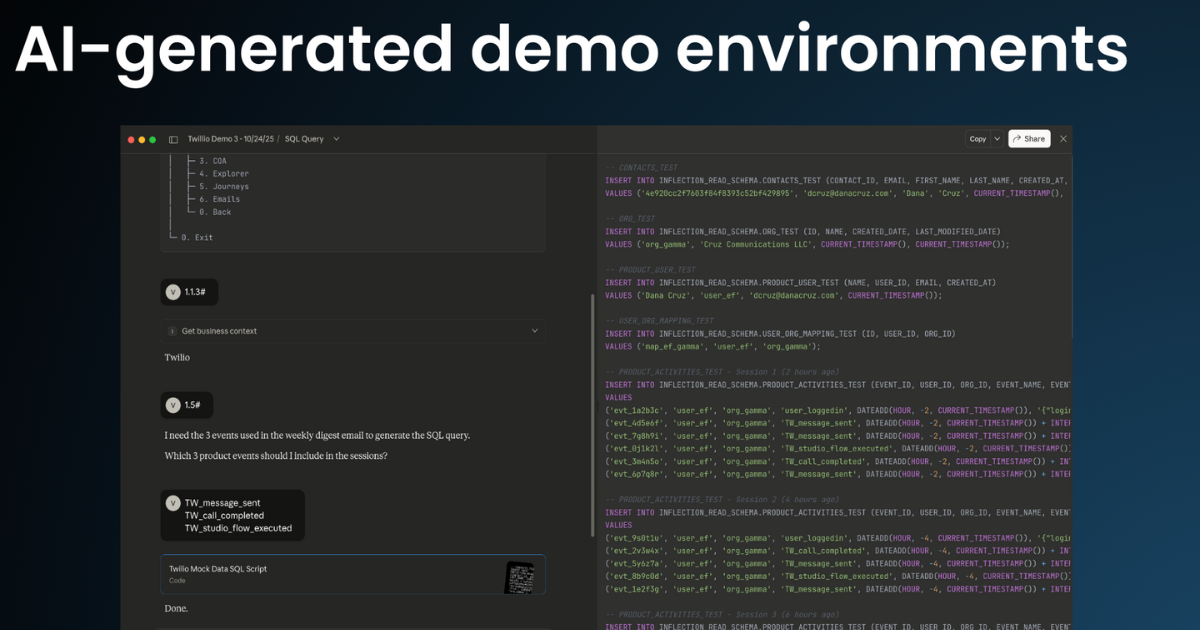
We have a similar workflow for setting up demo environments where Claude writes all the SQL code. The moment a lead books a meeting, an agent spins up a fully personalized demo instance, pre-loaded with the prospect’s tech stack, use cases, and branding. No waiting on solutions engineers.
3. Enablement That Updates Itself
“AI does the first draft” (powered by Docket AI).
Technical Design Docs, Business contexts, Segmentation, Value Driver statement used to build ROV emails, Persona Based titles, Battlecards, FAQs, and objection handling are generated and updated in real time as product, pricing, or competitive intel changes. Enablement is no longer a PDF graveyard.
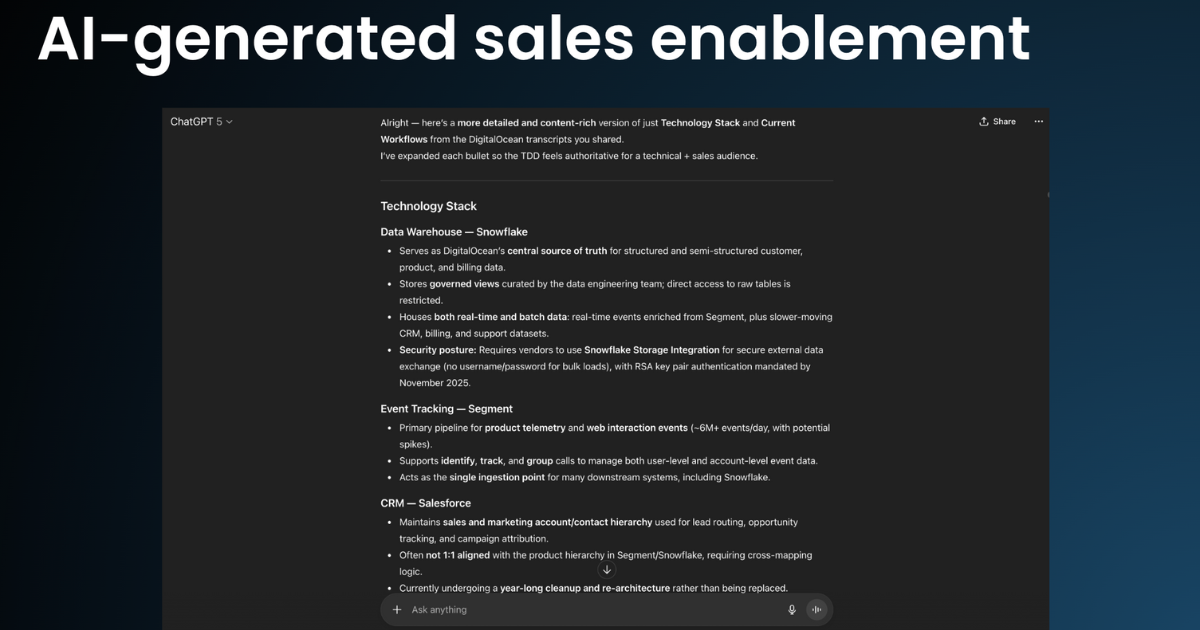
RFP responses, security reviews, technical questionnaires, agents draft majority of the responses in minutes. Humans refine, never starting from a blank page. Deal velocity skyrockets.
Across every function, the pattern is the same: AI is the first mover, human is the editor.
The outcome is not headcount reduction, it is creative leverage. Your top performers stop grinding through repetition and start designing narratives, running complex experiments, and shaping high-level strategy.
The Hidden Enabler: The MCP Server
None of the above is possible if your martech stack keeps data and actions locked inside silos. The breakthrough enabler is the Model Context Protocol (MCP) server, an open “control plane” that grants AI agents the ability to securely read from and write to every system, like a human user. Using Inflection’s marketing MCP server to talk to agents including our in-app is at the core of our AI-native marketing.
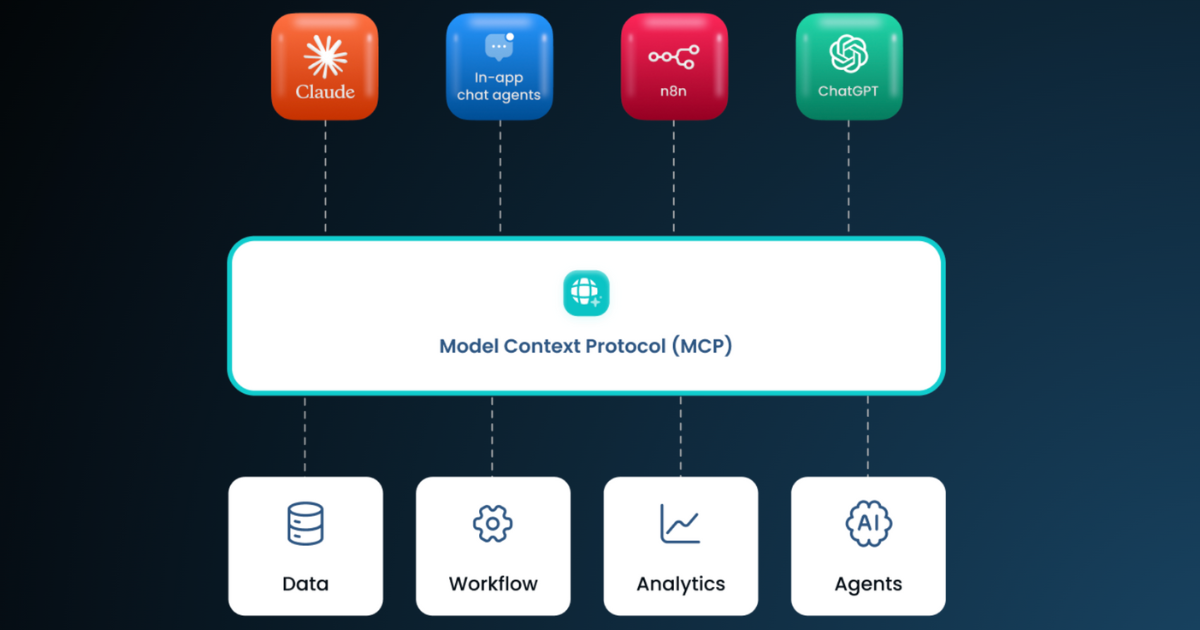
When evaluating any new tool, ask the only two questions that truly matter:
1. “What can I not do via the MCP that I can do directly in the app?” (The answer must be almost nothing.)
2. “Can I get any and all data out of the app via the MCP?” (If the answer isn't an immediate “yes,” keep shopping.)
MCP is the essential control plane for true agentic autonomy. Without it, you are limited to fancy content generation, not a truly AI-native GTM motion
Your Simple Framework to Start Next Week
You do not need a multi-year transformation roadmap. Start small and prove the lift:
- Pick one repeatable motion–outbound sequencing, RFP responses, or demo personalization.
- Generate the first draft through AI, ensuring clear human approval gates are in place.
- Measure the impact, Quantify the lift in time savings, pipeline contribution, velocity, or win-rate.
- Double down on the winner, then tackle the next motion.
The ROI is immediate. Most teams we work with see 50–80% time savings on the very first workflow they flip. The leverage compounds rapidly from there.
How the CMO Role Is Evolving
The role of the CMO has fundamentally changed. Modern CMOs are no longer chief storytellers or campaign runners, they are system architects. They are designing intelligent, interoperable workflows where AI agents and humans each play to their unique superpowers.
The winners in 2025 won't have the biggest marketing teams, they will have the most leveraged ones. Becoming AI-native is a strategic choice to build systems where AI and humans work in sync to drive unprecedented scale, speed, and creativity.
Ready to design your AI-native marketing system?
Inflection helps B2B and AI-native companies drive pipeline and growth across the account lifecycle. By unifying data through the ContextGraphTM, Inflection powers demand generation, onboarding, and expansion with the intelligence and automation teams need to deliver measurable impact. Request a demo today.
