Top Marketing Automation Products for B2B Product-Led Growth Companies
Product-led growth has reshaped how B2B SaaS companies acquire and grow customers. Instead of relying solely on outbound sales or inbound campaigns, PLG companies use their product to drive signups, activation, and long-term expansion. But as these companies scale, growth rarely stays purely product-led. Sales teams get involved, accounts become more complex, and revenue depends on coordinating marketing, product, and sales around shared signals.
That shift has exposed a growing gap in the marketing automation landscape. Many platforms are excellent at communicating with users after signup, while others focus heavily on prospect marketing and pipeline creation. Very few are designed to support both motions together, using product usage as a core input for revenue growth.
To understand which tools actually work for modern B2B PLG teams, it’s important to look beyond features and evaluate how well each platform supports the full customer lifecycle, from first touch to expansion.
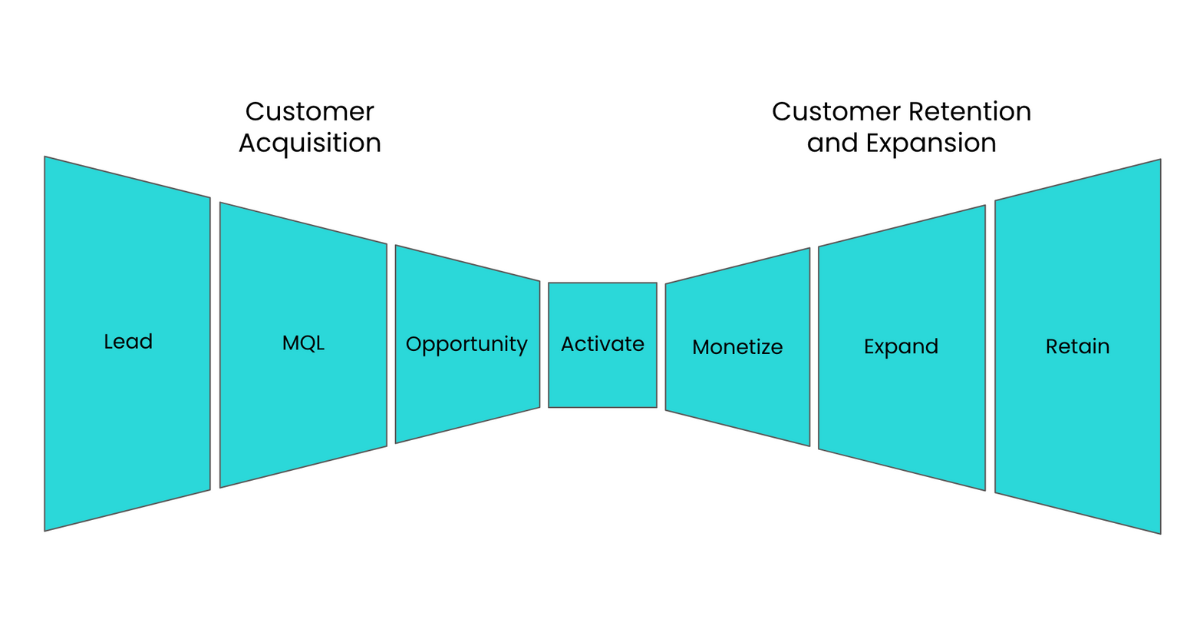
Marketing Automation Tools for Modern PLG Teams
1. Inflection
Inflection was built specifically for modern B2B SaaS companies that rely on both product-led and sales-assisted growth. Rather than treating prospect marketing, user engagement, and revenue operations as separate systems, Inflection unifies them through a shared data foundation. By sitting on top of the data warehouse, Inflection uses product usage, account context, and go-to-market signals as first-class inputs for automation.
What sets Inflection apart is its ability to connect early-stage prospect activity with downstream product adoption and expansion. Teams can identify which accounts are showing meaningful product engagement, trigger timely outreach for sales, and continue orchestrating lifecycle programs as customers grow. This allows marketing, sales, and customer teams to operate from the same source of truth instead of relying on disconnected tools.
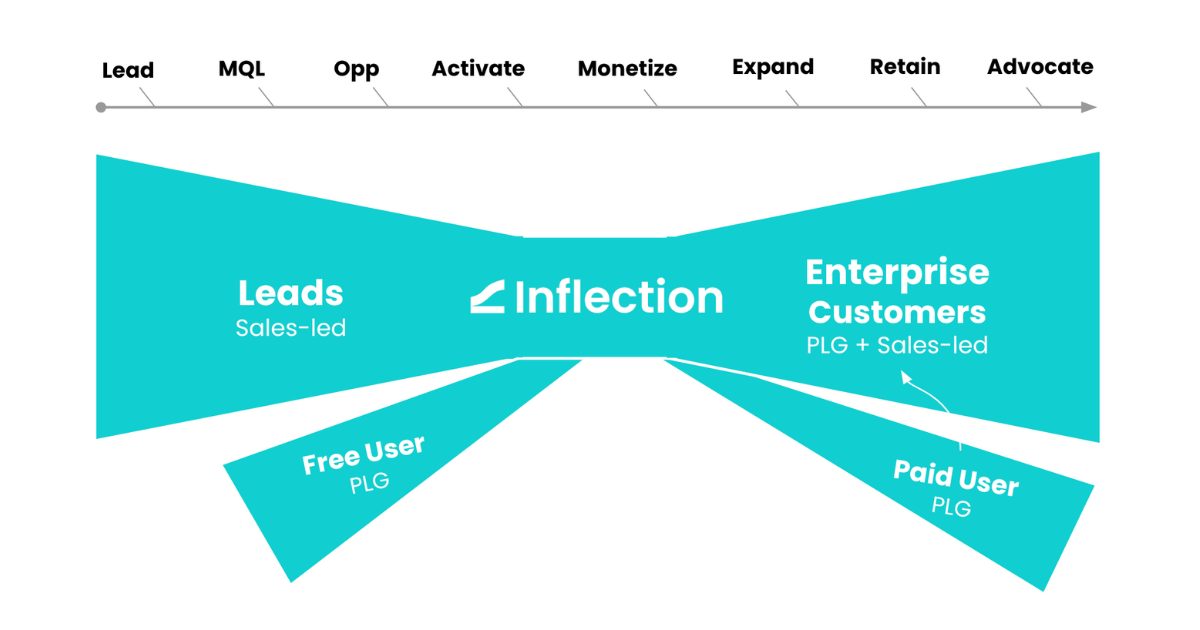
For companies running PLG motions alongside enterprise sales, this unified approach is critical. Inflection doesn’t just help teams send messages, it helps them translate product signals into pipeline, expansion, and long-term revenue.
Inflection is best suited for mid-market and enterprise B2B SaaS companies that want to scale PLG without sacrificing sales alignment or revenue visibility.
2. HubSpot: The Unified Customer Platform
HubSpot is one of the most widely adopted marketing automation platforms in B2B, largely because of its strong CRM foundation and ease of use. It works well for teams focused on prospect marketing, inbound demand generation, and sales pipeline management. HubSpot’s strength lies in managing leads, contacts, and opportunities in a tightly integrated system.
However, HubSpot was not designed with product usage as a core signal. While it can be extended with integrations and custom objects, it becomes increasingly difficult to support high-volume user activity and real-time behavioral automation. For PLG companies that depend on product engagement to drive conversion and expansion, this creates limitations enough to hunt for Hubspot alternatives.
HubSpot remains a solid option for companies where acquisition and sales-driven growth are_toggle dominant, but teams with heavy freemium usage or product-driven expansion often find themselves layering additional tools on top to fill the gaps.
.png)
3. Iterable
Iterable is well known for its flexibility and strength in lifecycle messaging. It excels at helping teams communicate with users based on behavioral data, making it a strong choice for onboarding, adoption, and retention programs. Its multi-channel capabilities allow marketers to deliver personalized experiences at scale.
Where Iterable struggles is in environments where sales plays an active role in growth. The platform is primarily user-centric and lacks native awareness of accounts, opportunities, and pipeline. As a result, it’s difficult to coordinate product engagement with sales outreach or revenue workflows without significant customization.
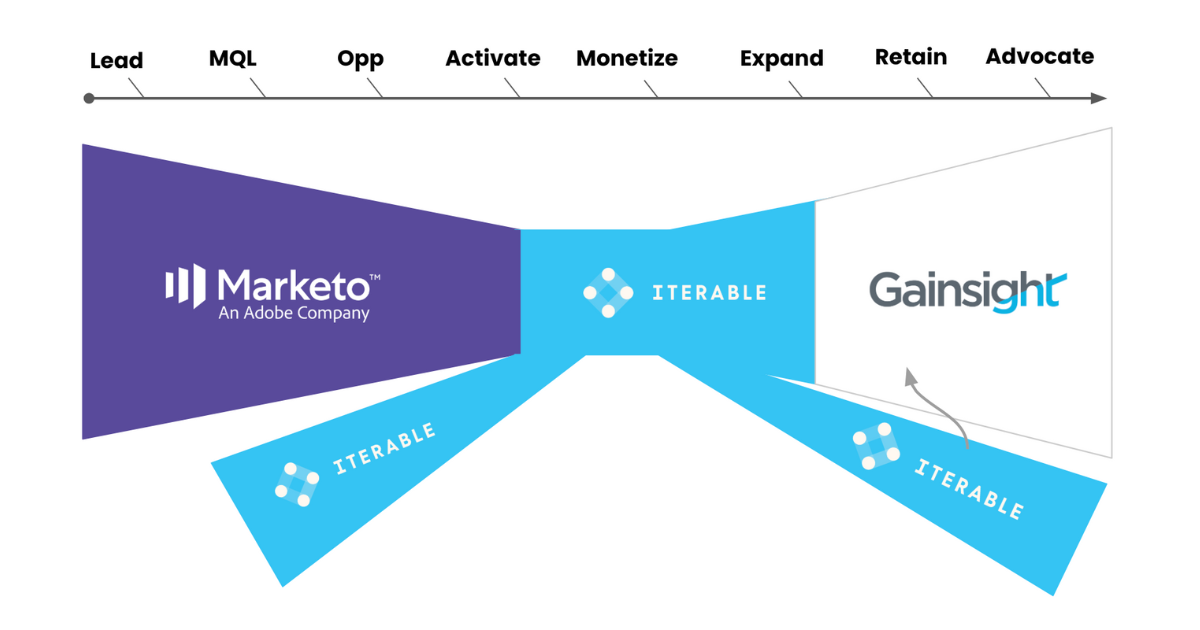
Iterable works best for companies where growth is driven primarily by marketing and product teams, with limited reliance on sales for conversion or expansion.
4. Pardot (Marketing Cloud Account Engagement)
Pardot has long been positioned as a marketing automation platform for B2B companies with established sales teams, particularly those operating within the Salesforce ecosystem. Its core strength lies in supporting traditional prospect marketing motions, scoring leads, nurturing accounts, and passing qualified prospects to sales. For organizations where Salesforce is the center of gravity, Pardot provides a familiar and tightly integrated experience.
Where Pardot falls short for modern PLG companies is in its limited ability to work with product usage data in real time. The platform was designed around lead and account records, not high-volume behavioral events generated by users inside a product. As a result, it struggles to support freemium models, usage-based activation, and ongoing product-led expansion without heavy customization or external systems.
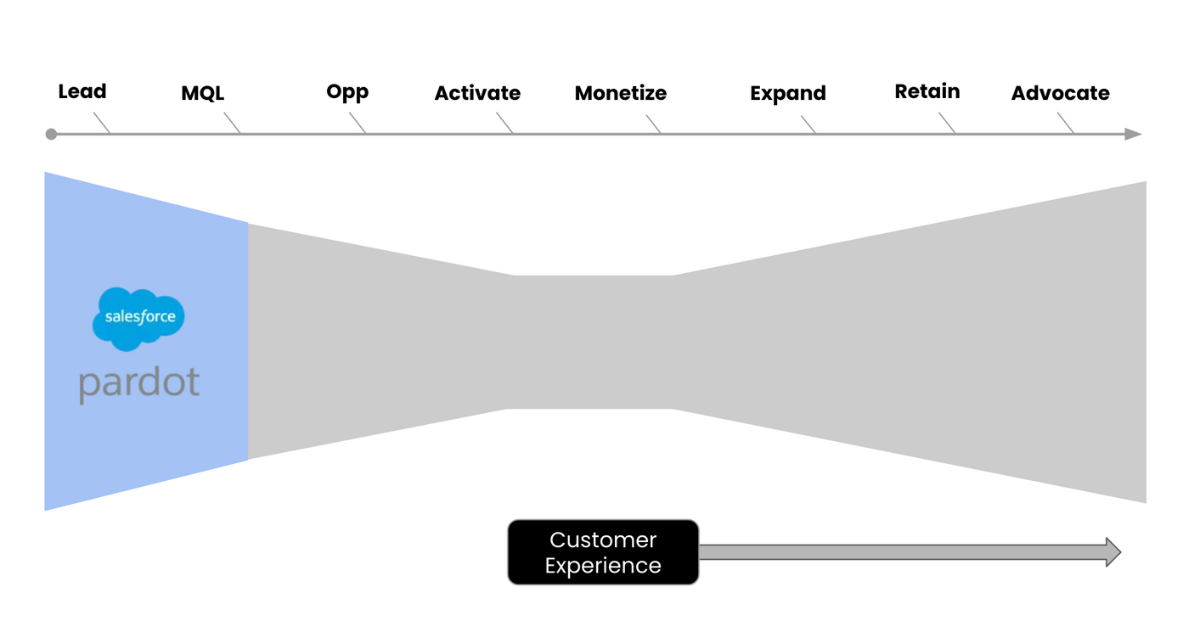
Pardot works well for sales-led organizations that rely on structured, pre-sales nurturing. But for PLG teams look for Pardot alternatives that can utilize product signals to influence pipeline creation or expansion.
5. Eloqua
Eloqua is an enterprise-grade marketing automation platform built for scale, complexity, and governance. It is commonly used by large organizations with sophisticated demand generation programs, long buying cycles, and multiple stakeholders involved in the purchase process. Eloqua excels at orchestrating complex campaigns, managing large databases, and supporting highly customized lead and account workflows.
However, Eloqua’s strengths are rooted firmly in traditional marketing automation. The platform was not built with product-led growth in mind, and integrating real-time product usage data into Eloqua workflows is both difficult and expensive. Its rigid structure and operational overhead make it poorly suited for companies that rely on rapid experimentation, in-product engagement, or usage-driven lifecycle programs.
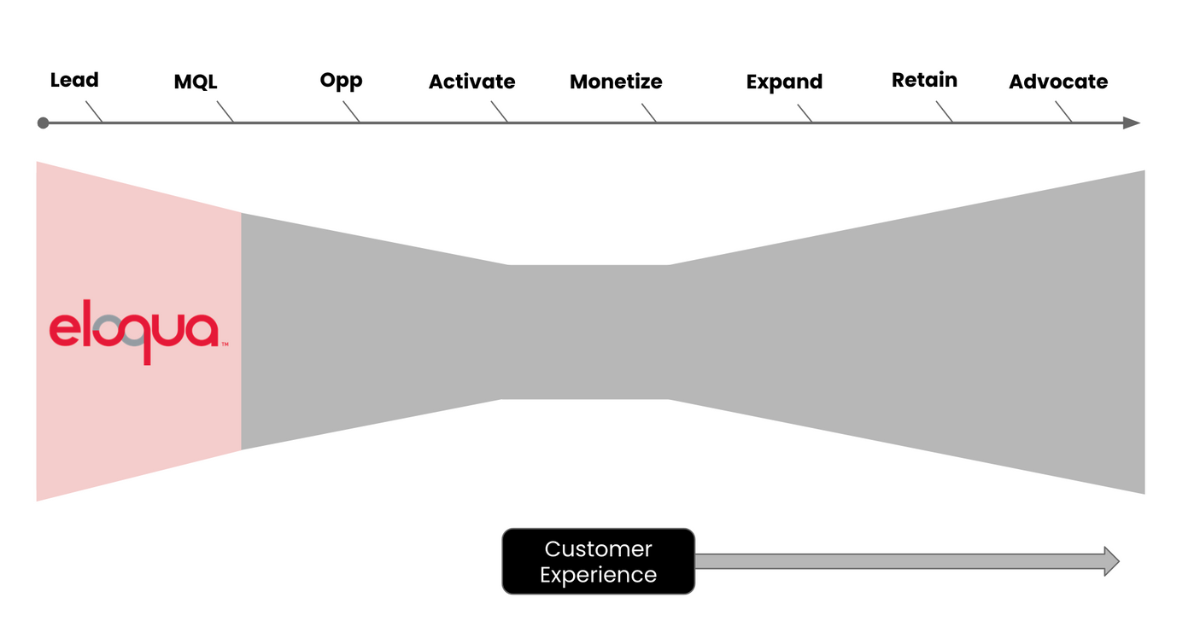
For enterprise teams running classic top-of-funnel programs at scale, Eloqua can be a powerful system. But for B2B SaaS companies embracing PLG, Eloqua often represents the old model of marketing automation, optimized for campaigns and leads, not users and product signals.
The Future is Product-Led and Data-Driven
As PLG companies mature, growth becomes less about isolated user messaging and more about connecting product usage to revenue outcomes. Platforms that focus only on one part of the lifecycle force teams to stitch together data, workflows, and insights across multiple systems.
Tools like Inflection reflect a shift toward unified go-to-market platforms, where product signals, prospect activity, and revenue motions are connected by design. For B2B SaaS teams looking to scale PLG alongside sales and enterprise expansion, that unification becomes a competitive advantage rather than a nice-to-have.
The right marketing automation platform isn’t just the one that sends the best emails. It’s the one that helps your entire go-to-market team act on the signals that matter most.
Inflection helps B2B and AI-native companies drive pipeline and growth across the account lifecycle. By unifying data through the ContextGraph, Inflection powers demand generation, onboarding, and expansion with the intelligence and automation teams need to deliver measurable impact. Request a demo today.