Super Mario Kart, Friction, and the Future of B2B Onboarding
PLGTM Summit is now Demand & Expand 2026—a bigger, bolder two-day event built for the full spectrum of B2B marketers. Join us May 19–20, 2026 in San Francisco.
Most of us wouldn’t expect a childhood obsession with Super Mario Kart to influence how we think about product-led growth (PLG). But for Ramli John, two-time author and onboarding strategist, the pixelated tracks of Mario Kart taught him one of the most enduring lessons in product growth: success begins with the first acceleration.
This article summarizes Ramli's PLGTM 2025 session. Click 👇 to watch the full session.

The Power of First Impressions
Ramli shared how, as a kid, he kept losing to his younger brother in Mario Kart until he discovered the secret to getting that early boost at the start line. Once he nailed that first move, everything else in the race changed. He used this as a jumping-off point to make a powerful point: in SaaS, your customer’s first experience (aka onboarding) sets the tone for everything that follows.
A strong onboarding experience translates into higher retention, greater willingness to pay, and higher customer lifetime value and the data agrees.
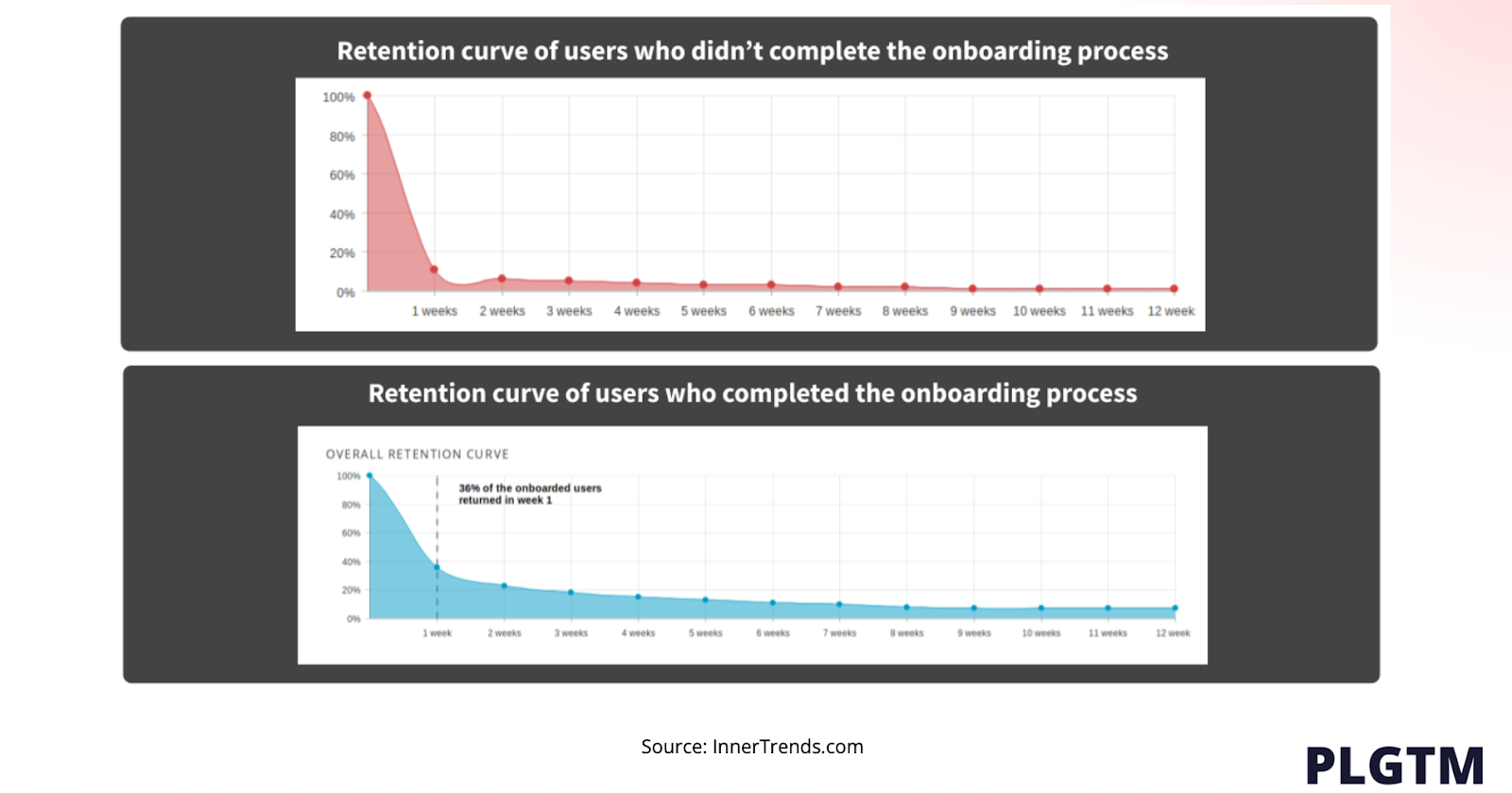
Customers who complete onboarding in the first week are three times more likely to stick around after 12 weeks according to an InnerTrends study.
ProfitWell found customers are up to 21% more willing to pay if the onboarding is great.
Salesforce even reported a 34% increase in lifetime value for customers who complete onboarding. All of this makes that initial experience the most important part of the race.
The message was clear: your customer's first impression doesn’t just matter — it can define your entire growth trajectory.
Beyond Product Friction: The Real Barriers to Adoption
Most B2B teams still get onboarding wrong. They obsess over product friction — smoother UI, better tooltips, easier flows — thinking that’s the whole game.
Ramli argued that for B2B, the real blocker isn’t product friction; it’s human resistance to change. He introduced the “Hierarchy of B2B Friction,”:
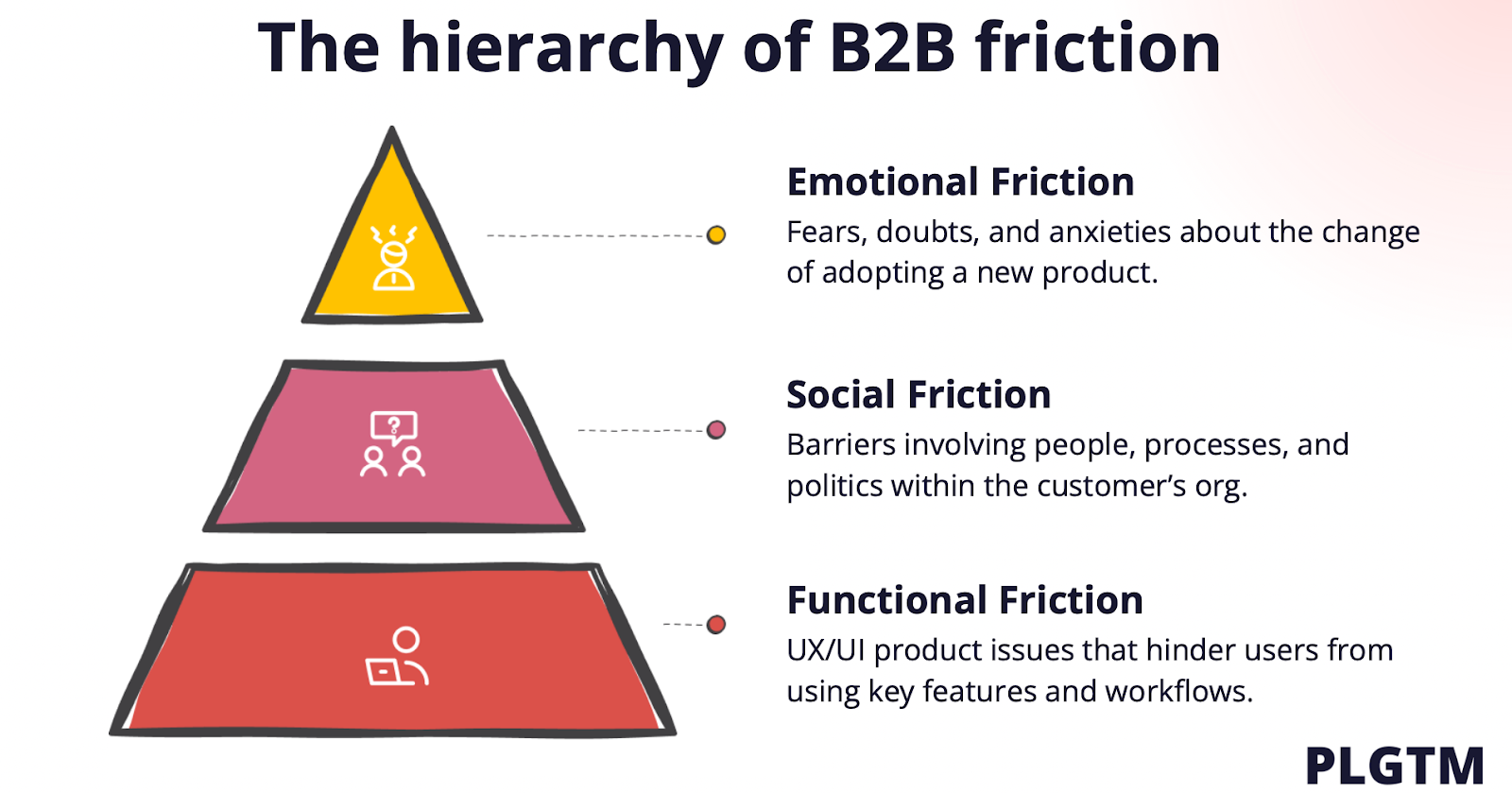
Functional friction: clunky interfaces and setup headaches.
Social friction: fear of looking incompetent to your team when championing a new tool.
Emotional friction: anxiety over making the wrong choice that could jeopardize your reputation or job.
The higher the contract value, the scarier these fears get. Yet most onboarding efforts only tackle that first layer. Meanwhile, customer-facing teams like sales and success are the ones hearing these deeper fears every day — but they’re often not included when designing onboarding.
When customer-facing teams operate in silos, the customer journey fractures. Sales promises one vision, product delivers another, and marketing's emails tell yet another story. This fragmented experience triggers doubt and fear from day one.
Without alignment, teams miss critical friction points and fail to build a unified path for the customer.
Strategies for a Unified Onboarding Experience
Ramli offered two concrete strategies to break down these silos and build a cohesive onboarding journey:
1. Friction Mapping Workshops
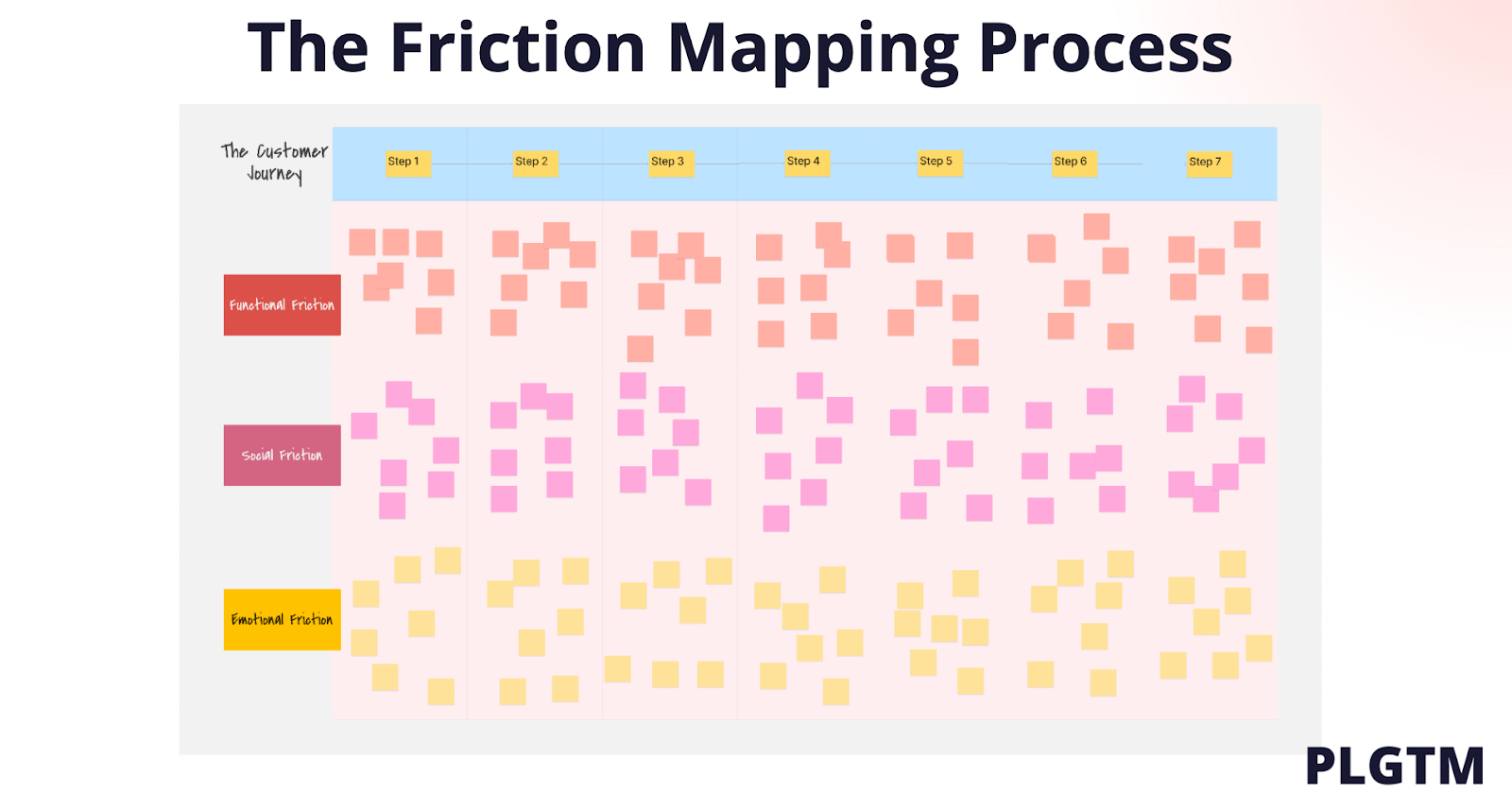
Gather a cross-functional team — product, sales, marketing, and customer success — in a workshop to map out the entire customer journey. Together, identify functional, social, and emotional friction points from first touch to full value realization. This shared exercise aligns teams around the full customer experience rather than just their piece of the puzzle.
He shared resources to facilitate this, including templates on delightpath.com/plgtm (ungated and freely available), along with a fun bonus: the “impossible Super Mario level” as an example for complex, friction-filled onboarding experiences.
2. The AI Onboarding Co-Pilot
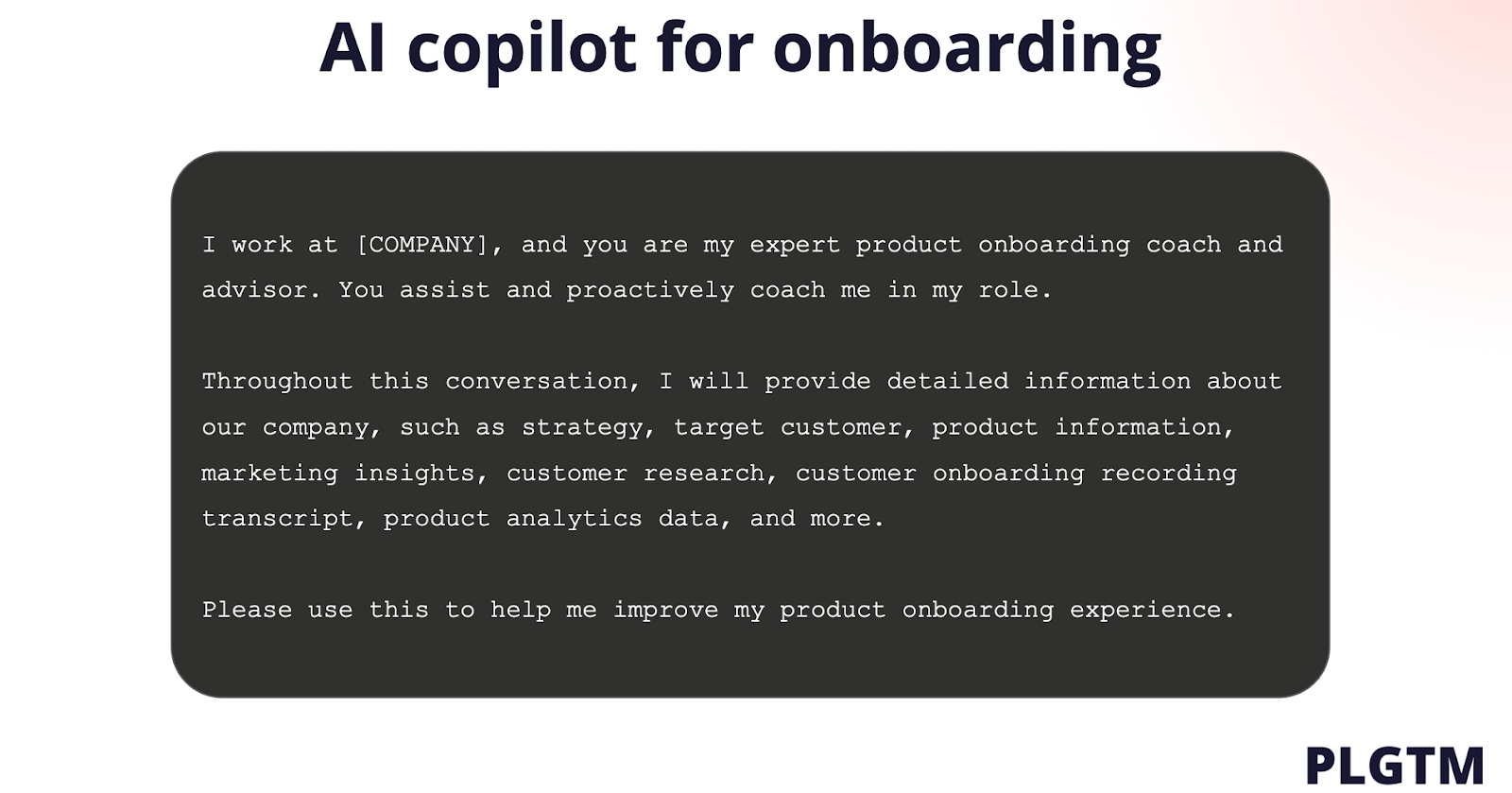
Ramli’s second strategy was especially future-focused: an AI co-pilot for onboarding. By aggregating insights from all teams — product docs, brand guidelines, sales calls, support tickets — the AI becomes a shared brain that can analyze customer journeys, suggest friction reductions, and even draft behavior-based email sequences in your brand voice.
Teams can use the AI co-pilot to visualize “happy paths” for each customer segment, propose interactive product demo flows, and generate copy tailored to reduce social and emotional barriers. The idea is simple yet powerful: when AI consolidates your team’s knowledge, it empowers more personalized, consistent, and seamless onboarding at scale.
Wrapping Up: The Remote-Control Analogy
In many ways, B2B onboarding should act like a parental remote control: steering customers away from pitfalls (banana peels and oil spills, for Mario Kart fans) and toward power-ups and victories.
But when sales, marketing, product, and customer success each hold separate controls, chaos ensues. The key is to align teams so they operate as one unified guide, ensuring customers accelerate smoothly into success.