GTM 2025+: From Products, to Signals, to Growth With a Little Help from GenAI
PLGTM Summit is now Demand & Expand 2026—a bigger, bolder two-day event built for the full spectrum of B2B marketers. Join us May 19–20, 2026 in San Francisco.
Whether you’re building for devs, business users, or massive enterprise accounts with never-ending buying committees, PLG is now table stakes.. David Yockelson, Distinguished VP Analyst and Gartner Fellow took the stage at PLGTM with this bold assertion.
This article is a summary of David’s session at PLGTM 2025. Click 👇 to watch the full session.

Buyers today have changed radically. They don’t want to be shepherded through endless demos or run the gauntlet from SDR to AE to CSM before they even understand what you do. They want to discover value on their own terms — fast. In fact, they spend just 17% of their total buying time talking to vendors, and even that’s sliced across multiple options.
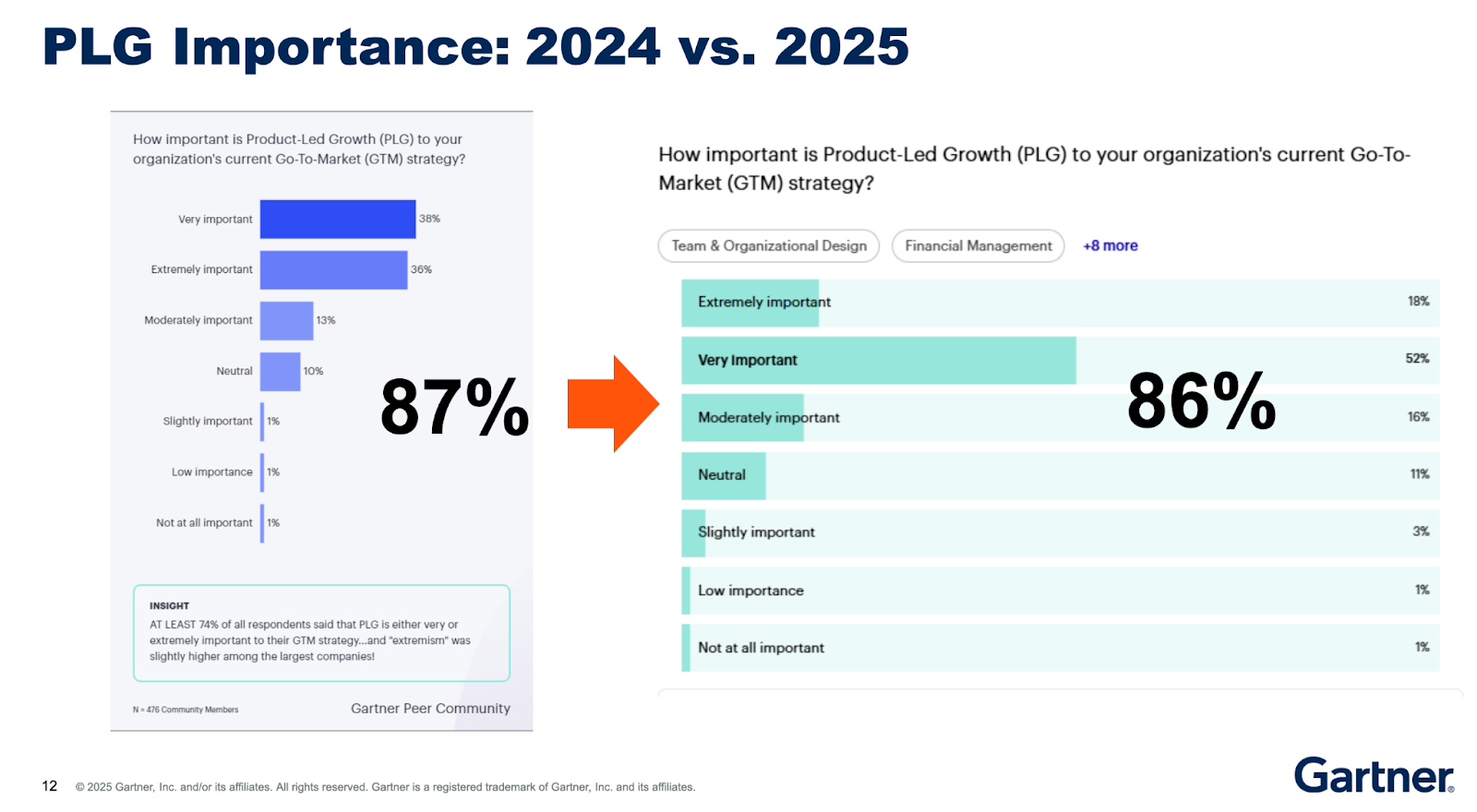
Product-led growth has emerged as the answer. But not for the reasons you might think. PLG isn’t just about virality or free trials anymore — it’s become the foundation for a faster, more buyer-centric way to build trust and drive adoption.
The Secret Sauce: Speed and Frictionless Entry
At its core, PLG is about removing every ounce of friction from the buying journey. Buyers want to explore, test, and learn without waiting for a sales pitch or jumping through qualification hoops.
While this mindset first took off with viral B2C products, it’s now just as crucial for complex, enterprise-grade solutions. Whether through self-serve trials, interactive demos, or sandboxes, the goal is to show value early and let the product do the talking.
ChatGPT, Costco Empanadas, and the Power of the Sample
PLG can be compared to Costco’s legendary free samples — specifically, empanadas that make you buy an entire box. ChatGPT is the ultimate modern PLG proof point: 400 million users and a projected $300 billion valuation, all thanks to a “try first” mentality.
While it’s tempting to think PLG only works for viral, bottom-up tools, David made it clear: even complex, enterprise products benefit from simplifying entry points. Whether it’s through self-serve trials, interactive demos, or hands-on sandboxes, showing value early shortens sales cycles and builds confidence.
The Third Wave: From Free Trials to True Product Experiences
Many companies still treat PLG as synonymous with a free trial button — a quick checkbox to signal modernity. But that’s no longer enough.
We’re now in what was described as the third wave of PLG. Early on, it was all about B2C viral products. Then B2B companies began layering in self-serve motions. Now, it’s about going deeper: crafting intentional product experiences that remove friction at every stage.
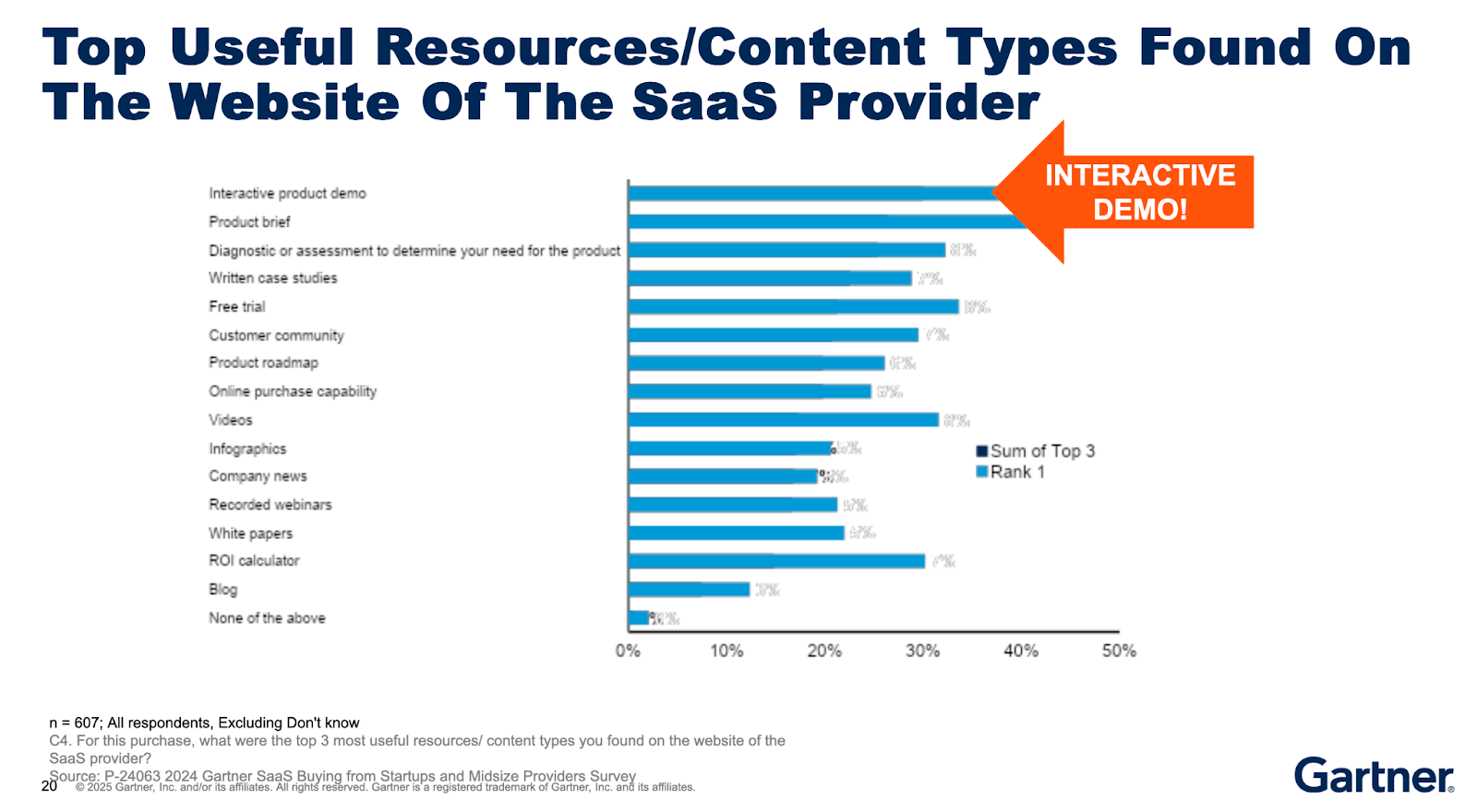
This shift is visible everywhere, especially in the rise of interactive demos. Recent data shows buyers actually value these demos more than case studies or even traditional trials. They want to see real product value immediately, not another generic pitch.
The AI Layer (and the New Challenge)
The surge of AI has only made product experiences more critical. Most buyers don’t fully understand the language of AI — terms like agents, copilots, and prompts still feel abstract to many.
Rather than trying to explain these concepts in slides or cold emails, PLG allows companies to show them directly. A hands-on experience demystifies AI far faster than any content asset could.
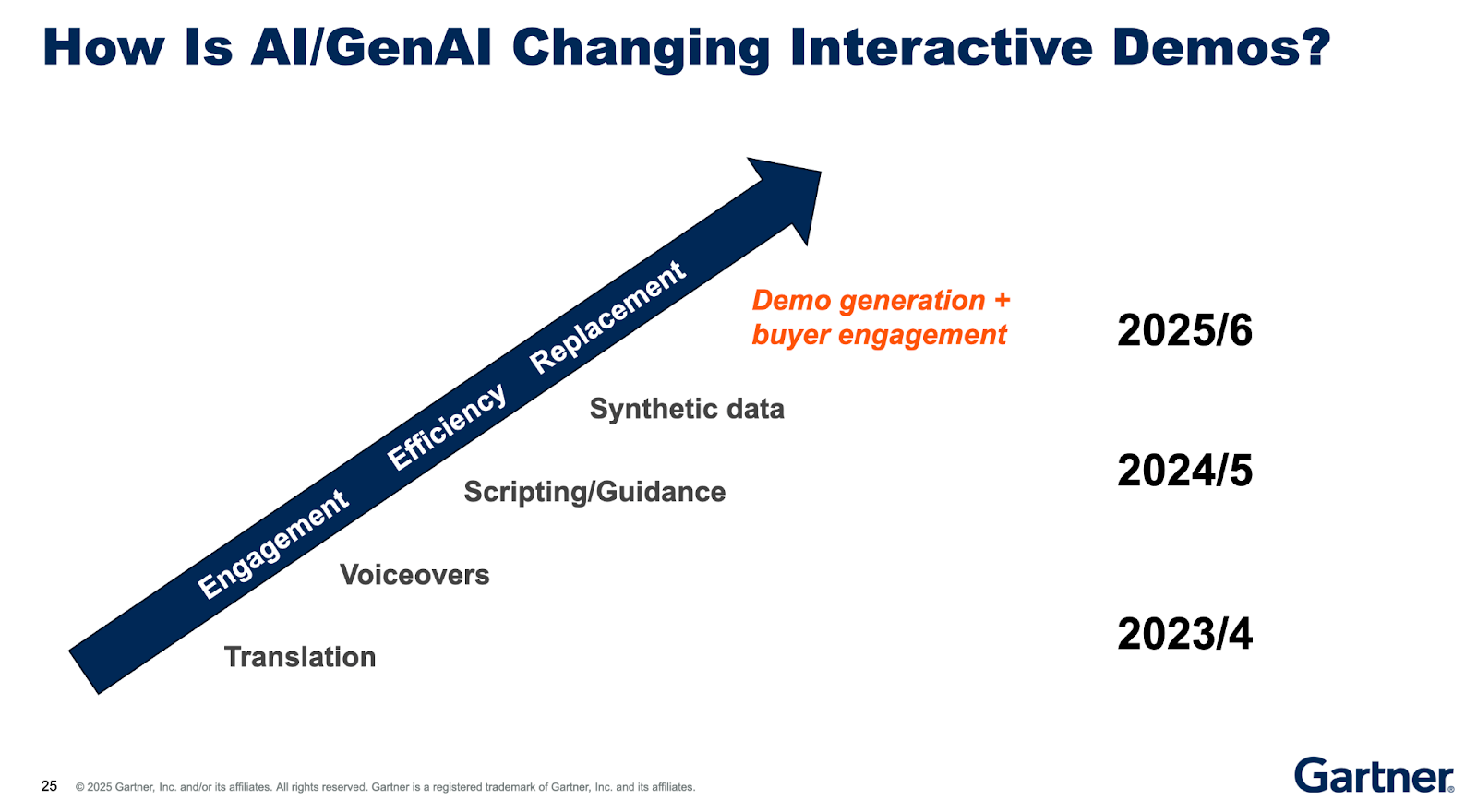
Meanwhile, AI-powered insights on the backend help sellers interpret product usage signals, spot moments of readiness, and approach prospects at just the right time — avoiding awkwardly timed outreach that derails trust.
Sales Still Matters (It Just Looks Different)
A common misconception: PLG means sales teams disappear. In reality, it just redefines their role. Rather than forcing demos on disinterested leads, sales can step in after users have experienced genuine value — turning early excitement into a compelling business case that buyers can confidently champion internally.
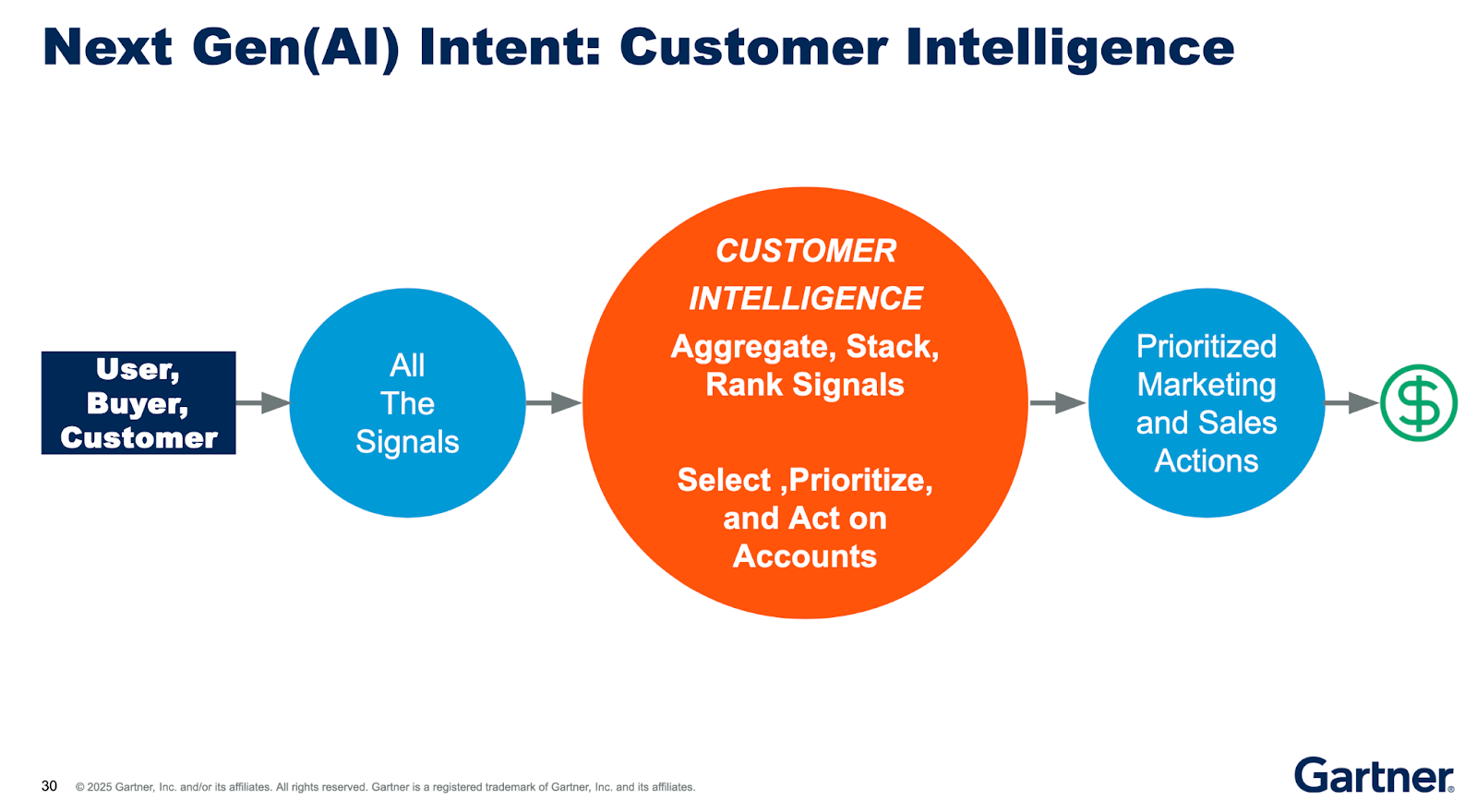
The key is aligning on timing and context, so outreach feels like a natural next step rather than an interruption.
Beyond Acquisition: The Untapped Expansion Play
PLG is often seen as a top-of-funnel tool. But one of the biggest missed opportunities is using it for expansion. Existing customers are already in the product, interacting and generating valuable signals daily.
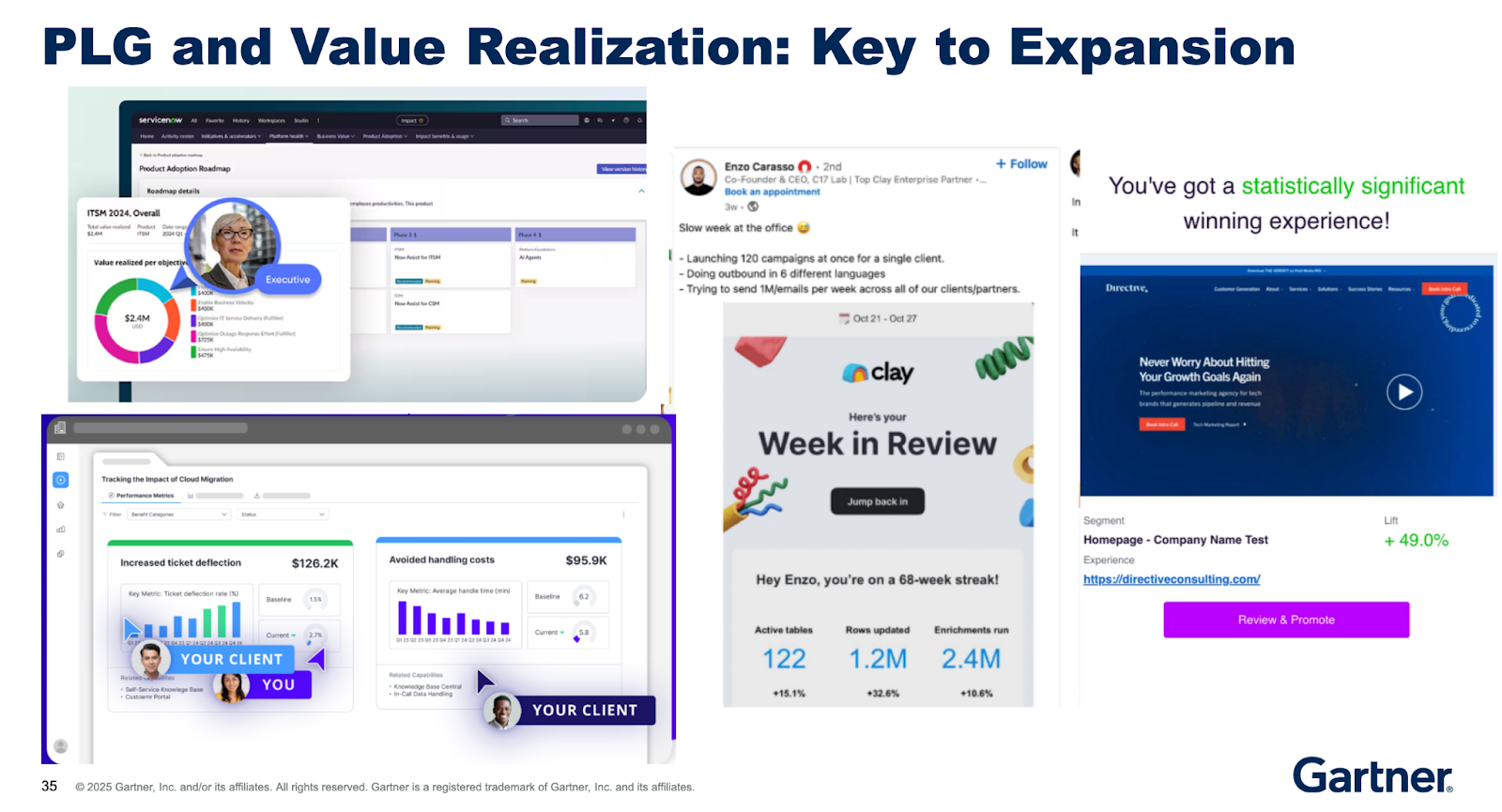
Teams that lean into these insights can better support renewals, upsells, and cross-sells, ultimately driving higher lifetime value without relying solely on traditional account management tactics. It’s about turning product usage into a continuous growth flywheel.
TL;DR: The Product Won’t Sell Itself (But It’ll Sure Help)
PLG is no longer optional — it’s a non-negotiable pillar of modern go-to-market. But Yockelson reminded us that you still need marketing, sales, and robust product experiences to close the loop.
PLG brings the users to the table, but sellers must translate that excitement into a strong business case for buyers.
If you’re not doubling down on product experiences, buyer signals, and seamless expansion, you’re already behind.